
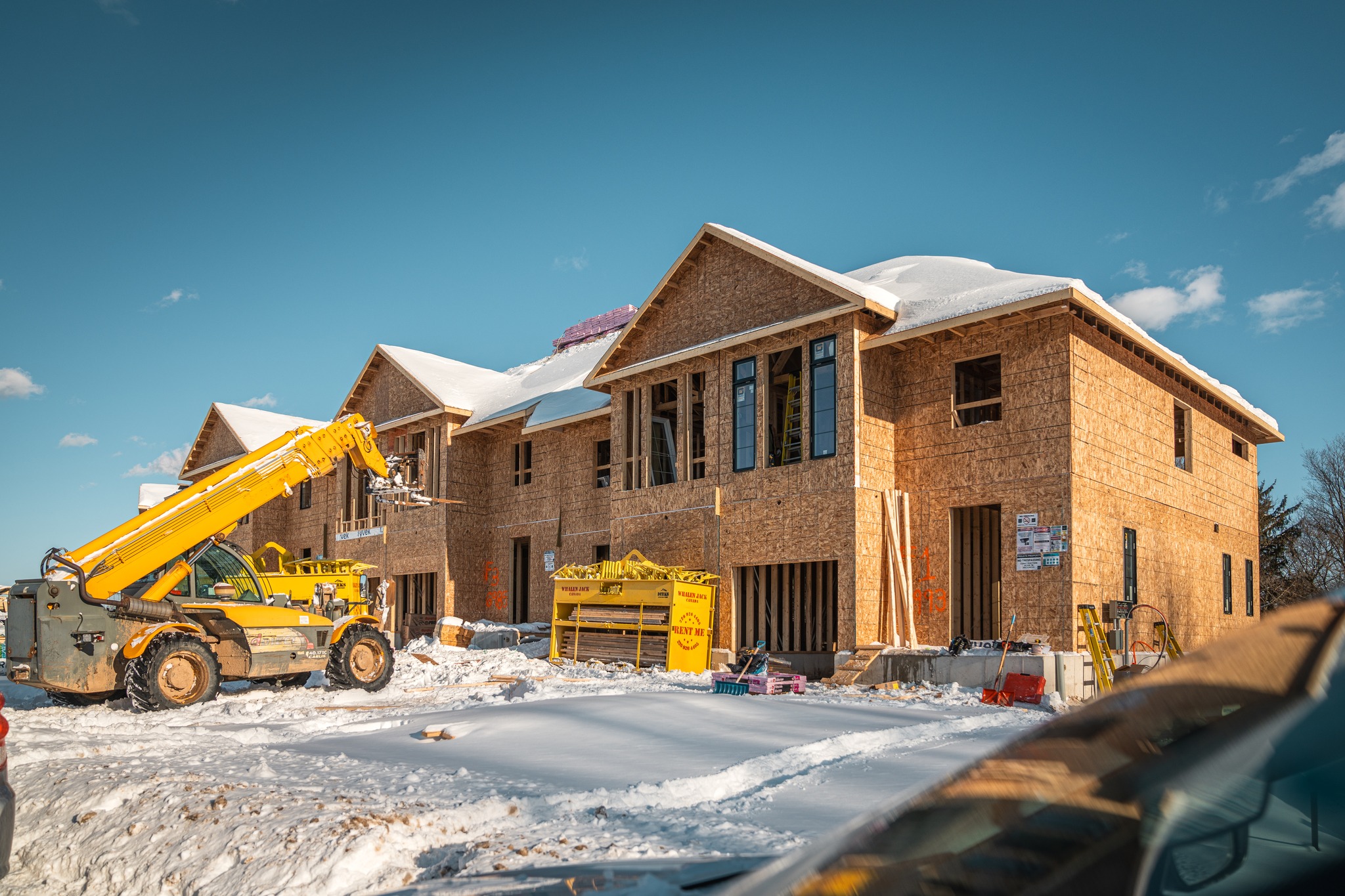
Photos courtesy of @DeeksConstruction
Key Takeaways:
- Window glazing is the complete glass assembly, including the panes, sealed cavities, gas fills, spacers, seals, and coatings. It’s separate from the window frame and sash.
- U-factor measures heat transfer, solar heat gain coefficient measures how much solar energy enters, and visible transmittance measures how much daylight passes through.
- Dual glazing is the baseline for Ontario homes, while triple glazing can provide additional value in colder, exposed, or noise-sensitive locations.
- Pane count alone doesn’t determine performance. Coating quality, gas fill, spacer design, seals, and manufacturing standards all influence how well glazing performs.
- Low-E coatings manage heat transfer, tinted glass controls glare and solar gain, safety glass reduces injury risks, and obscure glass provides privacy.
- Argon or krypton fills and warm-edge spacers reduce heat movement through an insulated glazing unit, particularly around the perimeter of the glass.
- The most suitable glazing depends on a room’s orientation, exposure, privacy requirements, noise conditions, and existing windows.
- Proper installation is essential for achieving optimal performance.
Walk through any Ontario neighbourhood in February, and you'll notice some homes have crisp, frost-free windows, while others show fog between the panes or a thin sheet of ice creeping across the inside of the glass. That difference almost always comes down to what's happening inside the glass itself, not just the frame around it. Understanding glazing, and what separates a well-built unit from a poor one, can save you real money and a lot of frustration during Ontario's extreme seasonal swings.
What is Window Glazing? What Does it Do?
Glazing refers to the glass component of a window, along with everything sandwiched inside it: the individual panes, the spacer bar that separates them, any gas fill between the layers, and the coatings applied to the glass surfaces. It's a distinct system from the frame and sash, which are typically made of vinyl, wood, or aluminum.
Glazing Does Most of the Thermal and Acoustic Work in a Window
Heat moves through glass far more readily than it moves through a wall, so the glazing package determines how much warmth escapes in January and how much heat pours in during a July heatwave. It also governs how much daylight enters a room, how much outside noise gets through, and how exposed furniture and flooring are to UV fading. A window's frame matters for structure and airtightness, but the glazing is what homeowners feel when they stand near a window on a cold night.
Window Glazing Performance Specs
Three measurements describe window glazing performance: U-factor for how much heat it lets through, solar heat gain coefficient for how much of the sun's energy passes in, and visible transmittance for how much daylight makes it through the glass. These three numbers, more than pane count or brand name, are what separate a high-performing window from a mediocre one.
Types of Window Glazing
Single glaze, a single pane of glass with no insulating gap, is largely obsolete in Ontario homes because it offers almost no resistance to heat transfer. Most homes built or renovated in the last few decades use dual glazing, also called an insulated glazing unit, where two panes are separated by a sealed air- or gas-filled cavity.
The seal around each cavity is what keeps the gas fill in place and moisture out, and dual glazing built with a properly sealed unit has become the baseline expectation for new construction and replacement windows across most of Ontario.
Triple glazing adds a third pane and a second sealed cavity and has moved from a niche upgrade to a common recommendation for the province's colder regions and homes near busy roads. Beyond pane count, glazing is also categorized by function. Low-E glazing includes a microscopic metallic coating that reflects heat while letting light through. Tinted or spectrally selective glazing reduces solar heat gain for west- and south-facing rooms.
Tempered and laminated glazing are safety options required in certain locations, like doors and low sills, because they break in a way that reduces injury risk. Obscure or textured glazing trades some clarity for privacy in bathrooms or street-facing windows.
Materials and Innovations in Glazing
The glass itself can be annealed, heat-strengthened, or tempered, each with different strength and breakage characteristics. Between the panes, manufacturers fill the cavity with argon or krypton gas instead of ordinary air. Both are denser and less conductive than air, which slows heat transfer, and krypton performs even better than argon in narrower cavities, though it costs more to produce.
Window Spacers
The spacer bar, the strip that holds the panes apart at the edge of the unit, used to be solid aluminum, which conducts heat and creates a cold edge around the glass. Warm-edge spacers, made from composite or foam materials, have largely replaced aluminum because they cut heat loss at the perimeter and reduce the chance of condensation forming along the edge of the glass.
We take this a step further at Golden Windows. Our Superspacer® is made of 100% non-metal structural “memory” foam that flexes with temperature changes.
Window Coatings
Coatings have also come a long way. Early Low-E coatings were applied as a hard, pyrolytic layer during glass manufacturing. Newer soft-coat, or sputtered, Low-E coatings use multiple ultra-thin layers of silver to fine-tune how much heat and light pass through, and triple-silver coatings now allow manufacturers to maximize insulation without sacrificing as much visible light. Inside most spacer systems sits a small amount of desiccant, a material that absorbs trace moisture in the sealed cavity and helps prevent the internal fogging that indicates a failed seal years down the road.
Benefits of Window Glazing
The most immediate benefit of upgraded glazing is a more even indoor temperature. Older single or basic dual-pane windows create noticeable cold zones nearby in winter, which is why a couch or reading chair near an old window often feels chilly despite your thermostat settings. Better glazing eliminates that cold radiating effect and reduces drafts that come from air near cold glass sinking and circulating through a room.
- Lower heat transfer also means lower heating and cooling bills, since the furnace and air conditioner both work less to compensate for what's escaping or entering through the glass.
- Noise drops significantly with additional panes and gas fills, which matters for homes near highways, railroad tracks, or busy streets.
- Low-E coatings block a large share of ultraviolet light, slowing the fading of hardwood floors, artwork, and upholstery.
- Condensation resistance improves as well, since warmer interior glass surfaces are less likely to hit the dew point during a cold snap.
Because the furnace and air conditioner cycle less often to offset heat loss or gain through the glass, both systems also experience less wear over time, which can modestly extend their service life. Taken together, these benefits tend to raise a home's resale appeal, since buyers increasingly ask about window age and performance during showings.
Window Glazing Myths & Misconceptions
One of the most persistent myths is that more panes automatically mean a better window. Pane count can matter, but the gas fill, coating quality, and spacer type all influence performance just as much, and a well-made dual-glazed unit can sometimes outperform a poorly assembled triple-glazed one.
Another common misunderstanding is that tinted glass and Low-E glass do the same job. Tinting mainly reduces glare and visible light, while Low-E coatings are engineered specifically to manage heat transfer, and the two are often combined rather than interchangeable.
Some homeowners in southern Ontario assume triple glazing is only worthwhile in northern climates. Given the region's humid summers and increasingly hot stretches, the solar control benefits of advanced glazing matter just as much as winter insulation.
There's also a belief that fogging between panes can be fixed by drilling a hole to release moisture. This is a temporary patch at best; it means the seal has failed and the unit needs replacing to restore its insulating value.
Many people assume frame material is the main driver of a window's energy performance, when in most modern units the glazing package accounts for most of the thermal rating.
Lastly, there’s a common related misconception that thicker glass alone improves insulation. Glass thickness affects strength and sound dampening more than it affects heat transfer, which is driven primarily by the coatings and gas fill rather than how thick each pane is.
Glazing Limitations and Considerations
Advanced glazing comes with trade-offs worth weighing before committing to an upgrade. Triple glazing and premium coatings cost more upfront, and the payback period through energy savings alone can stretch out over many years depending on local energy prices and how much a home's existing windows are already underperforming. The added panes and gas fill also increase the weight of each unit, which matters for larger windows or older frames that weren't engineered for the extra load.
Glazing Choices Mean Balancing Competing Goals
A coating with a very low solar heat gain coefficient blocks summer heat effectively but also blocks some of the free solar warmth that's welcome on a sunny January afternoon, so the ideal SHGC often depends on which direction a window faces. Extremely efficient glazing can also lead to condensation forming on the outside of the glass on cool mornings, which surprises some homeowners but is a sign the window is keeping heat inside rather than a defect. (Read our post on how to stop window frost and condensation during cold Canadian winters.)
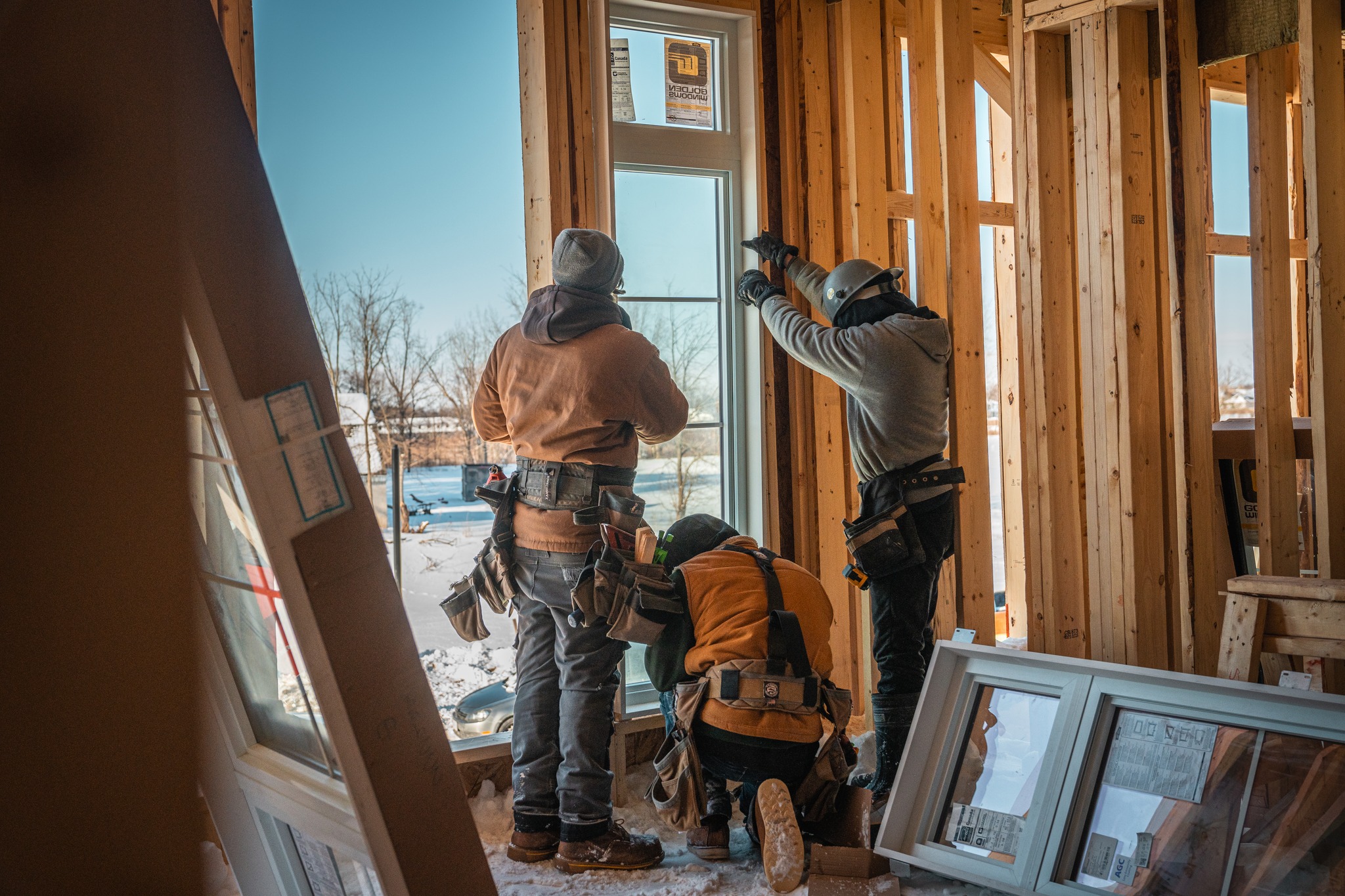
Also, keep in mind that no glazing package can perform as intended without proper installation; gaps around the frame or an unsealed rough opening will undercut even the best glass on the market.
Choosing the Right Window Glazing
The right glazing package depends on a handful of practical factors rather than a single "best" option. Orientation is one of the biggest: south- and west-facing windows generally benefit from a lower SHGC to manage solar heat, while north-facing windows can often use a higher SHGC to capture more ambient light. Homes near highways, airports, or busy streets typically benefit from the added acoustic dampening of triple glazing, regardless of climate concerns.
Budget and Age of Your Home
A home with decades-old single or early dual glazing will see a bigger jump in comfort and energy performance from any upgrade, while a home with newer dual glazing might get a smaller, though still worthwhile, improvement from moving to triple.
It's also worth checking a window's Energy Rating and U-factor rather than relying on the number of panes alone, since Canada's ENERGY STAR® program now certifies windows against a single national standard rather than separate climate zones.
Impact of Your Local Microclimate
Homes near the Great Lakes tend to deal with higher humidity and lake-effect snow, which can make condensation resistance a bigger priority than it would be further inland. Working with a manufacturer who can walk through these numbers room by room, rather than applying one glazing spec to an entire house, tends to produce the most balanced result for comfort, cost, and long-term performance.
Final Thoughts
Once you’ve matched the glazing to each room, write them down. Recording the final specifications, warranty details, and installation date gives you, future contractors, and potential future buyers a reliable reference, especially if you need to replace a unit.
Need window glazing answers you didn’t find here? Considering replacing your current windows with beautiful, energy efficient vinyl windows? Reach out to our team today; we’re always happy to help!
Frequently Asked Window Glazing Questions
What is window glazing?
Window glazing is the complete glass assembly within a window. It includes one or more panes, the sealed spaces between them, gas fills, spacer bars, seals, and any applied coatings. Glazing plays a major role in heat transfer, solar gain, daylight, condensation resistance, and some forms of sound control.
Is triple glazing worth it in Ontario?
Triple glazing can be worthwhile in colder or exposed areas, homes with large glass expanses, and noise-sensitive rooms like a nursery or home office. However, it does not automatically outperform every dual-glazed window. Compare whole-window U-factor, coatings, spacer design, seals, and installation quality before you decide.
Which window glazing performance ratings should homeowners compare?
Compare U-factor, solar heat gain coefficient, and visible transmittance. A lower U-factor indicates better insulation, a lower SHGC admits less solar heat, and a higher VT allows more daylight. There is no ideal combination for every window, so choose ratings based on a room’s function, orientation, and shading.
Is Low-E glass the same as tinted glass?
No. Low-E glass uses a microscopic coating to reflect infrared heat while preserving much of the visible light entering the room. Tint primarily changes how much visible light and solar energy pass through the glass. The two technologies serve different purposes and may be combined within one glazing package.
What causes fog between dual- or triple-glazed window?
Fog trapped between panes usually indicates that the insulated glass seal has failed, allowing moisture to enter the cavity. Drilling holes may temporarily improve the appearance, but it can’t restore the gas fill or original insulating performance. The sealed glazing unit generally needs replacement to correct the underlying problem.
Should every window in a house have the same glazing?
No. West-facing rooms may require stronger solar control, north-facing rooms benefit from strong heat-loss protection, bathrooms may need privacy glass, and building-code-sensitive locations may require tempered or laminated glass. Choosing specifications room by room prevents you from paying for features that provide little value in certain locations.