
Key Takeaways
- Energy efficient windows help improve resale appeal by making your home look better, feel more comfortable, and perform more efficiently.
- U-factor, Energy Rating, Low-E glass, argon gas fills, warm-edge spacers, and airtight frames all influence window performance.
- Replacing drafty, damaged, fogged, or outdated windows can help reduce heating and cooling strain while improving daily comfort.
- Buyers often see upgraded windows as a sign that the home has been well maintained and may require fewer near-term improvements.
- Vinyl, wood, and aluminium-clad wood windows each offer different advantages for durability, maintenance, appearance, and architectural style.
- The right window choice depends on your home’s age, orientation, design, ventilation needs, maintenance preferences, and long-term goals.
- Professional installation is essential because even a high-performance window can lose efficiency if it is poorly fitted, sealed, or flashed.
Replacing your windows can sometimes be one of those home upgrades that go overlooked until they cause problems that become impossible to ignore. But drafts, condensation, fading finishes, sticky frames, rising energy bills, and rooms that never feel quite comfortable don't happen overnight.
If you find the right energy efficient windows for your home and replace them early, you can start enjoying increased everyday comfort and lower energy bills right away, while making your home more attractive to future buyers.
Key Features of Energy Efficient Windows
Energy efficient windows are designed to reduce unwanted heat transfer, manage sunlight, limit drafts, and help your home maintain a more stable indoor temperature. In Southern Ontario, where homes deal with cold winters, humid summers, and big seasonal temperature swings, that matters.
U-Factor
U-factor measures how quickly heat moves through the window. A lower U-factor means better insulation, which helps keep warm air inside during winter and outdoor heat outside during summer. Natural Resources Canada notes that U-factor is one of the key measurements used when comparing energy efficient windows.
Energy Rating (ER)
Energy rating gives you a broader picture of performance because it considers heat loss, air leakage, and solar gain. A window with a strong ER can support comfort and efficiency, especially when matched properly to your home’s orientation.
Glass Panes
Double-pane and triple-pane windows create insulating air spaces between panes of glass. Those spaces are often filled with argon gas, which helps slow heat transfer more effectively than regular air. Low-emissivity, or Low-E, coatings are another major feature. These microscopically thin coatings help reflect heat while still allowing natural light into your home.
Frames & Spacers Matter, Too
A well-built frame helps reduce thermal bridging, while warm-edge spacers reduce heat movement around the glass edges, where condensation and drafts often begin. Proper weatherstripping and tight locks also help reduce air leakage.
ENERGY STAR®
ENERGY STAR® certified windows in Canada are tested against performance requirements, and Natural Resources Canada says certified windows are about 20% more energy efficient than average models; ENERGY STAR® Most Efficient windows and sliding glass doors are described as up to 55% more energy efficient than average models.
Energy Savings & the Environment
The real efficiency gain from high-performance replacement windows comes from better control over heat movement, air leakage, and solar exposure. Older or poorly sealed windows often create “microclimates” inside the home, where one room feels cold, another overheats, and the HVAC system keeps cycling to even things out. Energy efficient windows help reduce those swings by improving the building envelope, which can support more consistent heating and cooling performance.
The environment also benefits from demand reduction. When your home loses less conditioned air, it requires less energy to maintain comfort during Ontario’s cold winters and humid summers. Over the lifespan of the windows, that lower demand can reduce your home’s overall energy footprint.
For resale, this matters because today’s buyers are paying closer attention to operating costs, comfort, and long-term efficiency. A documented window upgrade can help show that the home has been improved with both performance and future ownership costs in mind.
Comfort & Noise Reduction
The daily comfort improvement is often what homeowners notice first. Rooms that used to feel chilly near the window can become easier to enjoy. Bedrooms can feel more consistent overnight. Living rooms with large glass areas can feel less drafty in winter and less harsh in direct summer sun.
Energy efficient windows also help reduce condensation when the right glass package, frame, ventilation, and indoor humidity levels work together. This is especially helpful in busy homes where cooking, showering, laundry, plants, and everyday living can raise indoor moisture.
Noise Reduction
Triple-pane glass, tight seals, quality frames, and professional installation can soften outdoor sounds from traffic, neighbours, lawn equipment, and nearby activity. While standard energy efficient windows are not the same as specialized acoustic windows, they still create a quieter, calmer indoor environment.
Impact on Home Value & ROI
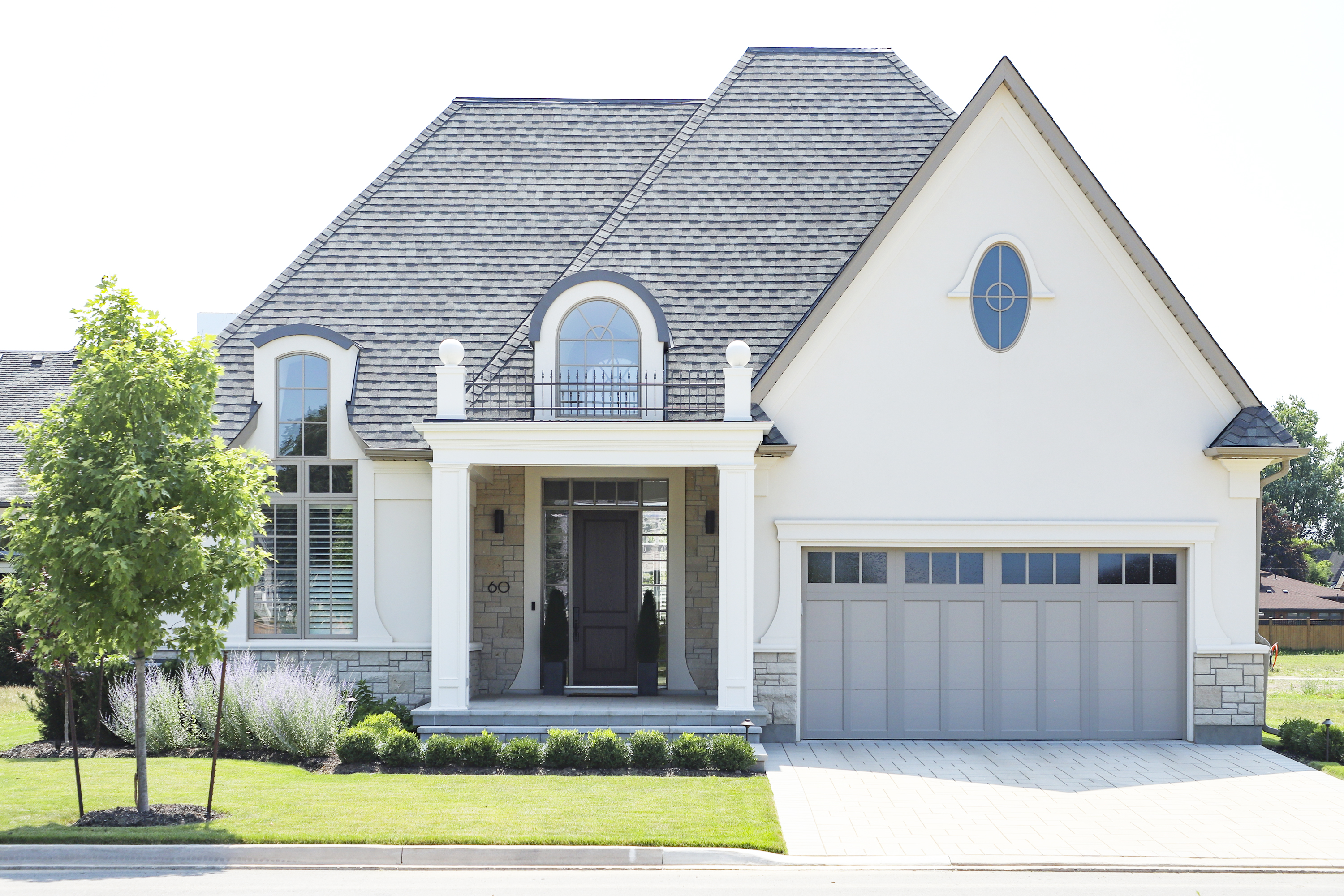
When buyers walk through a home, they’re not just looking at finishes. They’re also assessing the condition of the property. Windows influence curb appeal, natural light, comfort, energy performance, and confidence in the home’s maintenance history.
New energy efficient windows can make a home feel fresher from the street and more comfortable inside. Clean frames, clear glass, smooth operation, and consistent styling across the exterior can help the property look cared for before a buyer even asks about utility costs.
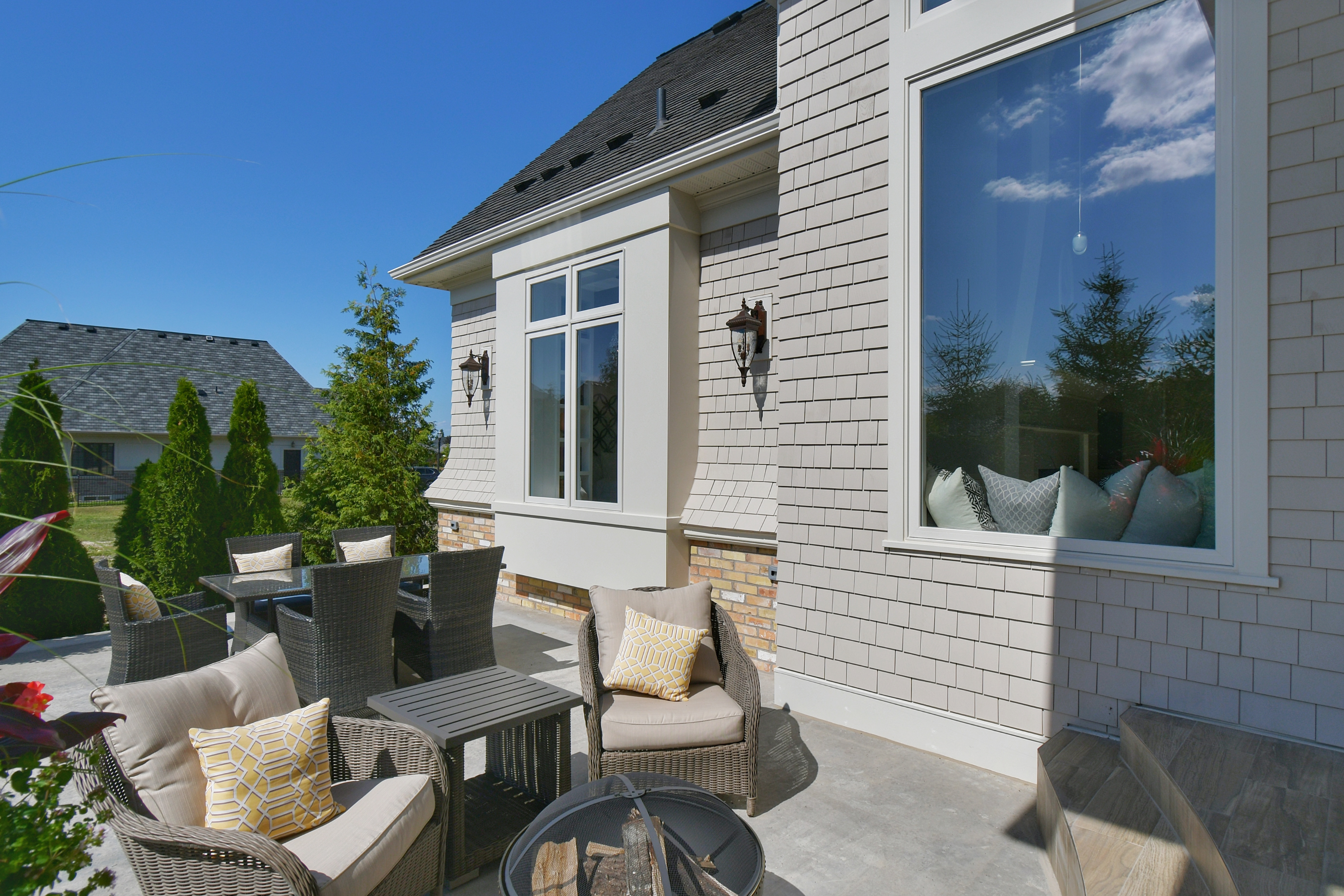
Return on investment depends on several factors. The age and condition of the old windows matter. So does the quality of the replacement product, the installation, the style match, and the expectations of buyers in your local market. That being said, replacing old windows with new, energy efficient ones is commonly cited as one of the best renovations for ROI.
Energy efficiency can also give your listing a stronger story. Buyers often worry about future maintenance costs. When windows have already been upgraded, that concern can shrink. It also helps when you can provide documentation, such as product information, warranty details, ENERGY STAR® ratings, and installation records.
The biggest resale advantage often comes from choosing windows that suit the home rather than chasing the cheapest option. A window upgrade should look natural, perform well, and feel aligned with the property’s style.
Common Myths and Misconceptions
One common myth is that all replacement windows deliver the same energy performance. They do not. Glass type, frame material, spacers, coatings, air leakage ratings, installation quality, and product certification all impact energy efficiency.
The Most Efficient Window is Always the Best Window for Every Room
The right choice depends on how a room is used, how much sun it receives, and what you want the window to accomplish. A large west-facing living room window may need different glass considerations than a shaded bedroom window or a basement egress window.
Visible Glass is the Only Part that Matters
The window frame, sash, weatherstripping, locking system, and installation details all influence how well a window performs. A high-quality glass package can still disappoint if the unit is poorly fitted, improperly sealed, or mismatched to the existing opening.
It Only Makes Sense to Replace Windows Before Selling Your Home
In reality, replacing windows earlier lets you enjoy the comfort, appearance, and performance benefits while you still live in the home. Then, when it is time to sell, the upgrade is already part of the property’s value story.
Comparison of Window Types and Materials
Different window materials offer different strengths, and the best choice depends on your home’s style, maintenance preferences, and performance goals.
Vinyl windows are popular because they are durable, low-maintenance, and energy efficient. They do not need painting, resist moisture well, and can be a smart option for many replacement projects. For homeowners who want practical performance and easy upkeep, vinyl is often a strong fit.
Wood windows offer warmth, character, and timeless architectural appeal. They can be especially attractive in traditional homes, custom homes, cottages, and properties where interior detail matters. Wood requires more care than vinyl, but many homeowners value its natural beauty and design flexibility.
Aluminium-clad wood windows combine the interior warmth of wood with a more weather-resistant exterior. This can be a smart choice when you want a refined interior look with exterior durability. It is often considered for homes where curb appeal, colour selection, and long-term exterior performance are priorities.
Window operating styles also matter. Casement windows seal tightly when closed and are excellent for ventilation. Awning windows work well in areas where you want airflow with some weather protection. Single-hung and double-hung windows suit traditional elevations and allow vertical operation. Fixed windows maximize glass area and light where ventilation is not needed.
The right combination usually includes several styles, not one window type throughout the whole home.
Picking the Right Windows for Your Home
Start with the problems you want to solve. Are your current windows drafty? Are they difficult to open? Is there condensation between the panes? Do some rooms overheat in summer or feel cold in winter? Are you trying to improve curb appeal before selling? Clear goals lead to better product choices.
Home Architecture
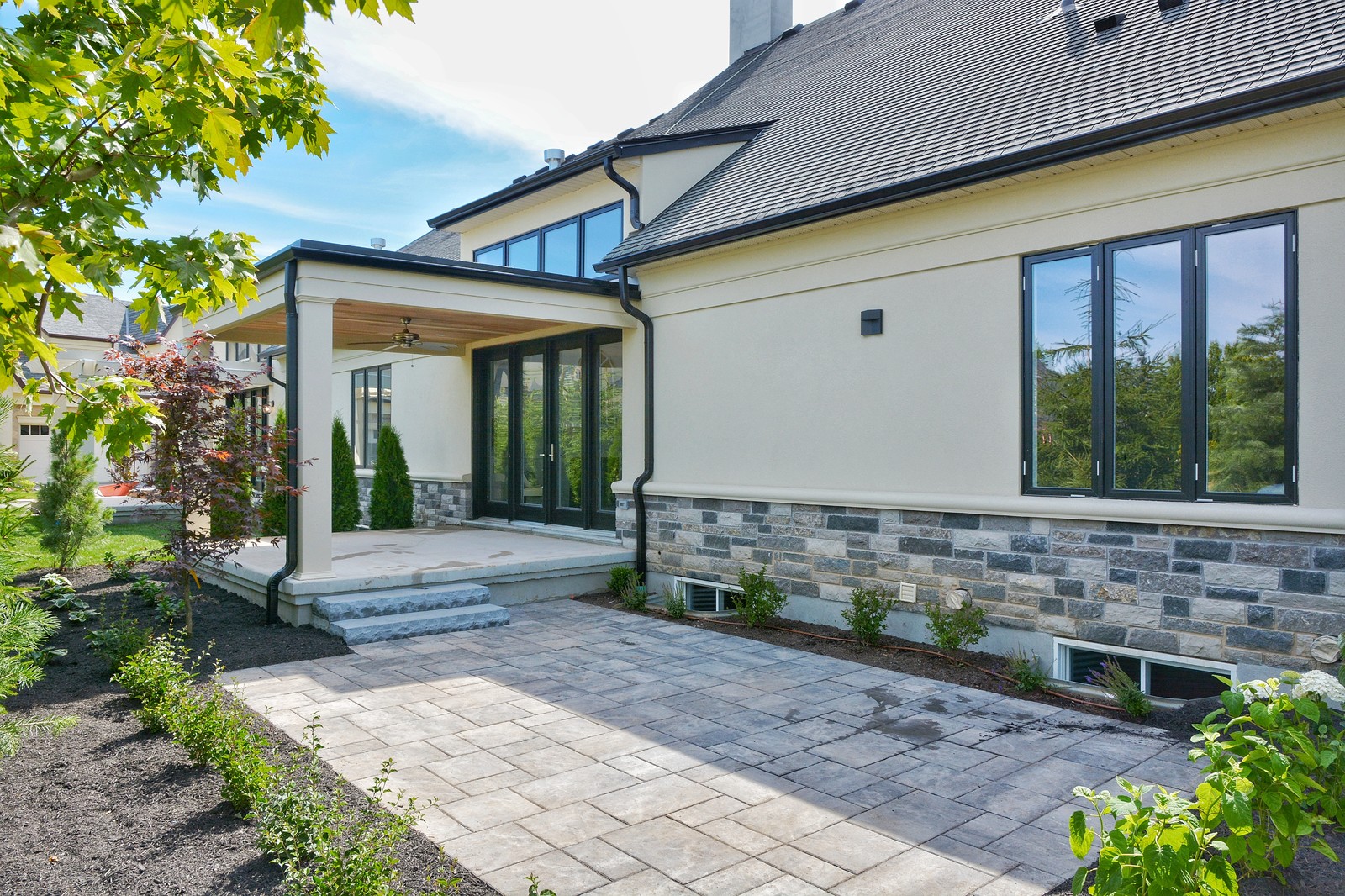
A modern home may suit large fixed windows and clean-lined casements. A century home may need divided lite patterns, warmer interior finishes, or proportions that respect the original style. Cottage and rural homes may call for windows that frame views while handling strong seasonal weather.
Orientation
South- and west-facing windows may need glass options that help manage solar heat gain. North-facing rooms may benefit from windows that support insulation and daylight without making the room feel colder.
Maintenance
If you want low upkeep, vinyl or clad exteriors may be more practical. If interior warmth and craftsmanship matter most, wood may be worth the added care.
Go With an Experienced Manufacturer
At Golden Windows, our windows are manufactured in Kitchener, Ontario, and we design and build high-performance aluminum, wood, and vinyl options designed for energy efficiency, natural airflow, easy cleaning, and long-term maintenance. The right window choice should serve your home now while supporting resale value later.
Installation and Maintenance Best Practices
Even the best window can underperform if it is poorly installed. Proper installation protects energy efficiency, comfort, durability, and warranty coverage. The opening must be measured accurately, the frame must be set square and level, and the window must be properly insulated and sealed around the perimeter.
Flashing & Water Management
A window has to shed water correctly, not trap moisture inside the wall assembly. Poor installation can lead to drafts, leaks, condensation concerns, and damage that may not appear right away.
Ask About the Installation Process Before You Buy
You should understand whether the project involves full-frame replacement, insert replacement, interior trim work, exterior finishing, disposal of old materials, and post-installation cleanup. The right method depends on the condition of your existing frames, walls, and exterior finishes.
Maintaining Your New Windows
- Keep tracks and drainage channels clean.
- Wash frames and glass with appropriate cleaners.
- Inspect weatherstripping periodically.
- Operate windows regularly so hardware continues to move smoothly.
- Avoid painting, caulking, or modifying components in ways that could interfere with drainage, operation, or warranty coverage.
Manage Indoor Humidity
Efficient windows can reduce condensation risk, but no window can fully compensate for consistently high indoor moisture. Use exhaust fans, maintain ventilation, and monitor humidity during colder months.
Keep Your Paperwork
Product labels, ENERGY STAR® information, warranty documents, invoices, and rebate documentation can be useful for your own records and valuable when you eventually sell.
Wrapping Up
Energy efficient windows do more than make a home look updated. They help create the kind of home buyers remember because it feels comfortable, cared for, and easier to own. If your current windows are working against your comfort, curb appeal, or resale plans, now is a smart time to explore your options. Get in touch with us to find the right replacement windows for your home.
Frequently Asked Questions About Energy Efficient Replacement Windows
Do energy efficient windows increase home resale value?
Yes, energy efficient windows can support resale value by improving curb appeal, indoor comfort, energy performance, and buyer confidence. They are especially valuable when the existing windows are drafty, damaged, fogged, difficult to operate, or visually outdated. Buyers often see newer windows as one less major upgrade they will need to handle after moving in.
What makes a window energy efficient?
An energy efficient window is built to reduce heat transfer, air leakage, and unwanted solar gain. Important features include a low U-factor, strong Energy Rating, Low-E glass coatings, double- or triple-pane glass, argon gas fills, warm-edge spacers, durable frames, and tight weatherstripping. ENERGY STAR® certification can also help homeowners compare tested performance.
Are triple-pane windows always better than double-pane windows?
Triple-pane windows can offer stronger insulation, comfort, and sound reduction, but they are not automatically the best choice for every home or every opening. Double-pane windows can still perform very well when paired with quality glass coatings, gas fills, frames, and installation. The right choice depends on budget, room orientation, comfort goals, and climate needs.
Which window material is best for replacement windows?
The best window material depends on your home and priorities. Vinyl windows are popular for low maintenance and strong efficiency. Wood windows offer natural warmth and traditional character. Aluminium-clad wood windows combine a refined interior appearance with a more durable exterior. A well-matched material should suit your home’s style, performance needs, and maintenance expectations.
How do energy efficient windows improve indoor comfort?
Energy efficient windows help reduce drafts, cold glass surfaces, overheated rooms, and uneven temperatures. Better insulation and tighter seals make it easier for your home to hold conditioned air, which can reduce hot and cold spots. Many homeowners also notice less outside noise, especially when upgrading from older, poorly sealed windows.
Should I replace windows before selling my home?
Replacing windows before selling can be worthwhile when the existing windows hurt curb appeal, show visible wear, fog between panes, leak air, or make rooms uncomfortable. However, the value depends on the home’s condition, local buyer expectations, and the quality of the replacement. If your windows are clearly outdated, upgrading them can make the home feel more move-in ready and reduce energy costs moving forward.